

1
2
3
4
5
6
7
8
9
10
11
12

1

Hood to radiator seal
2

Hood to cowl seal
3
Other applications:
Edge seals
4
WS & BL edge seals
5

Trunk seal
6
Roof seal
7

Body mounted door seals
8
Body mounted door seals
9

Door mounted door seals
10
Door mounted door seals
11

Margin seals
12
Margin seals
Applications in the automotive industry
We are proud of being able to equip the whole vehicle with dynamic sealings. Our products have seven main applications in the automotive industry
Sealing-profiles
Self-adhesive profiles
 Materials:
- dense and/or cellular EPDM;.
- heat activatable or pressure sensitive acrylic foam tape.
Assembly:
- seal glued on customer interface
Optional features:
- drilled bulb holes
- coating (anti-friction, anti-UV,etc..)
- glass fiber wire
- flock tape stripes
Main applications:
- door seals – glass door seals – cabin windows seals – roof seals”
Snap-on top bulb profiles
 Materials:
- dense and/or cellular EPDM
- metal carrier / wire carrier
Assembly:
- Profile snap-on fixed on customer flange
Optional features:
- drilled bulb holes
- coating (anti-friction, anti-UV,etc..)
- sealant inside the snap-on
- metal carrier breakage
- glass fiber wire
Main applications:
- Trunk seal – roof seal – industrial application
Snap-on side bulb profiles
 Materials:
- dense and/or cellular EPDM
- metal carrier / wire carrier
Assembly:
- Profile snap-on fixed on customer flange
Optional features:
- drilled bulb holes
- coating (anti-friction, anti-UV,etc..)
- sealant inside the snap-on
- metal carrier breakage
- glass fiber wire
Main applications:
- Door seal – window seal
Snap-on top/side lip profile
 Materials:
- dense and/or cellular EPDM
- metal carrier / wire carrier
Assembly:
- Profile snap-on fixed on customer flange
Optional features:
- drilled bulb holes
- coating (anti-friction, anti-UV,etc..)
- sealant inside the snap-on
- metal carrier breakage
- glass fiber wire
Main applications:
- Engine hood seal – industrial application
Snap-on edge protector profiles
 Materials:
- dense EPDM or PVC
- metal carrier / wire carrier
Assembly:
- snap-on fixed on customer flange
Optional features:
- metal carrier breakage
Main applications:
- Sharp edges (to protect electrical cables, tubes that are in contact with sharp edges)
Glass run-channel profiles
 Materials:
- dense EPDM
- texturized coating
Assembly:
- pushed inside customer interface channel
Optional features:
- flock tape stripes
- glass fiber wire
Main applications:
- Sliding window seals (recreation vehicle, etc..)
Other profiles
 Pushed-in profiles – mono-compound profiles – colour compounds – etc.
Materials:
- dense and/or cellular EPDM
Assembly:
- pushed / clipped inside customer interface channel
Optional features:
- drilled bulb holes
- coating (anti-friction, anti-UV,etc.)
- glass fiber wire
Main applications:
- Roof seals, window seals, door seal
Our high-runner
The high runners are profiles which are produced at regular intervals. We produce profiles of compact and cellular rubber + tape – depending on the needs of our customers. Thanks to our technologies, we can adapt our production, depending on the profile requested.
Our inhouse tool shop allows us to create new dies for our customers.
High Runners
 |
Bulb: Cellular rubber Base: Compact rubber Tape | 8875 | |
 |
Bulb: Cellular rubber
Base: Compact rubber Tape |
8515 | |
 |
Bulb: Cellular rubber
Base: Compact rubber Tape |
8656 | |
 |
Cellular rubber Tape | 8592 | |
 |
0.7-1.5 mm | Gripper: Compact rubber Bulb: Cellular rubber
Wire carrier |
8685 |
 |
1.5-3 mm | Gripper: Compact rubber Bulb: Cellular rubber
Wire carrier |
8640 |
 |
3-6 mm | Gripper: Compact rubber Bulb: Cellular rubber Metallic insert | 8613 |
 |
3-6 mm | Gripper: Compact rubber Bulb: Cellular rubber Metallic insert
Sealant |
8916 |
 |
1.5-2.5 mm | Gripper: Compact rubber Bulb: Cellular rubber Metallic insert | 8587-
00M001 |
 |
5-6 mm | Gripper: Compact rubber Bulb: Cellular rubber Metallic insert | 8526-
00M001 |
 |
5-6 mm | Gripper: Compact rubber Bulb: Cellular rubber Metallic insert | 8767 |
 |
5-6 mm | Gripper: Compact rubber
Bulb: Cellular rubber Metallic insert Sealant |
8899-
00MM05 |
 |
1-3 mm | Gripper: Compact rubber Lip: Cellular rubber
Metallic insert |
8538-
00M005 |
 |
Gripper: compact rubber
Bulb: cellular rubber |
9384 | |
 |
1-3 mm | Gripper: Compact rubber Metallic insert | 8664 |
 |
2-4 mm | Gripper: Compact rubber Metallic insert | 8582-
04M001 |
 |
1-2 mm | Gripper: Compact rubber Bulb: Cellular rubber Metallic insert | 8847 |
 |
2.5-3.5 | Gripper: Compact rubber Lip: Cellular rubber
Wire carrier |
9378 |
 |
5-6 mm | Gripper: Compact rubber Bulb: Cellular rubber
Lip: Cellular rubber Metallic insert |
8960 |
 |
Compact rubber Coating | 9290 | |
|
5-6 mm | Gripper: Compact rubber Bulb: Cellular rubber Metallic insert | 9069 |
 |
2-2.5mm | Waist belt seal with structurized coating | 9391 |
 |
self adhesive cable channel seal | 9382 | |
1
2

1
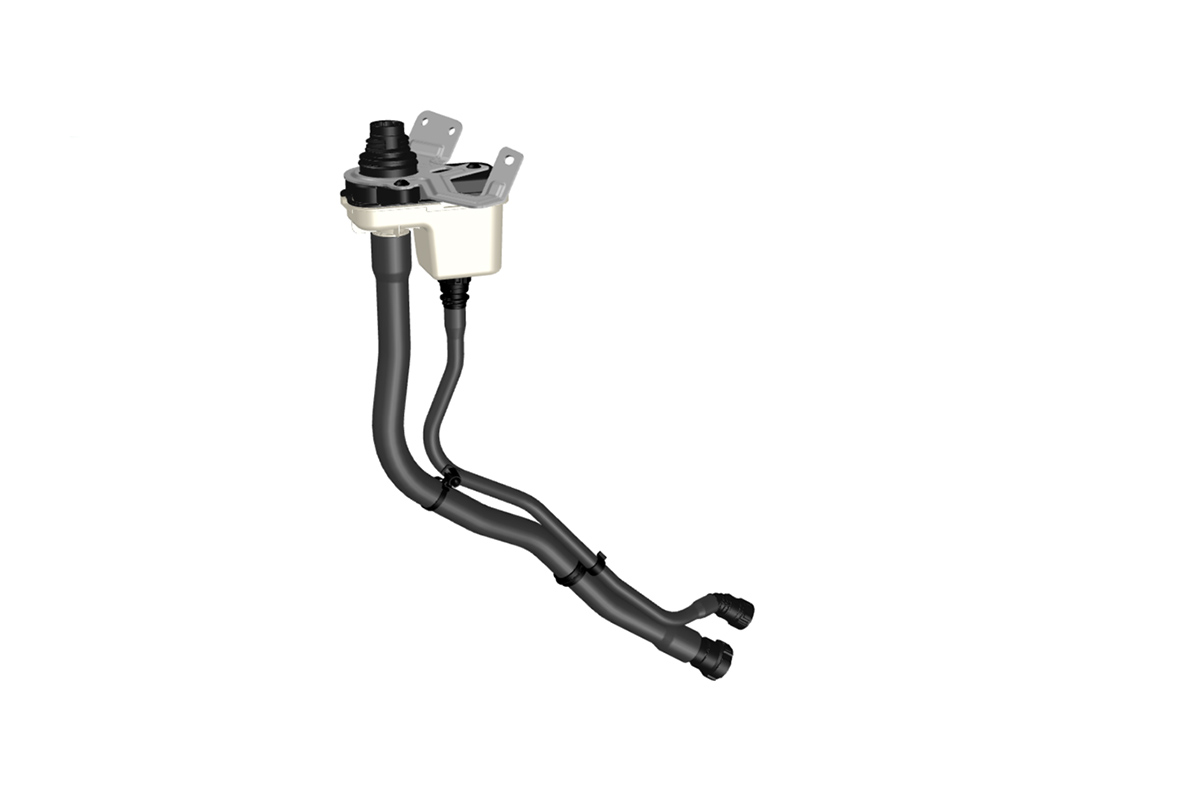
Cooling-system
2
Degassing-system
FTS and FBD
Fluid Transfer System and Fuel & Brake Delivery Systems
The FTS-business is amongst the TOP 7 suppliers in the European automotive market and used for thermal management to regulate the vehicles‘ driveline temperature and to transport liquids or air in the vacuum & emissions systems. Seven Indian locations supply sealing solutions and FBD systems for the automotive industry.
Thermal Management (Glycol lines)
Glycol-lines are Cooling engine turbo transmission oil through glycol thermal fluid, optimizing engine longevity and passenger cabin comfort
Cooling & Degassing hose

Cooling & Degassing hose: In conventional (fuel fired) automotive systems, the key objective of the thermal system is to transfer waste energy (heat) away from the engine. This energy is used for heating the passenger compartment (heating circuit) or disposed in the radiator (cooling circuit).
For electrical powertrains (BEV and PHEV) the thermal system has the objective to cool down the electric engine, power electronics and the charging system, as well as to heat the passenger compartment. Additionally, there is the need to condition the batteries to the optimum operating temperature, regardless of outside temperature or driving conditions.
Heating hose
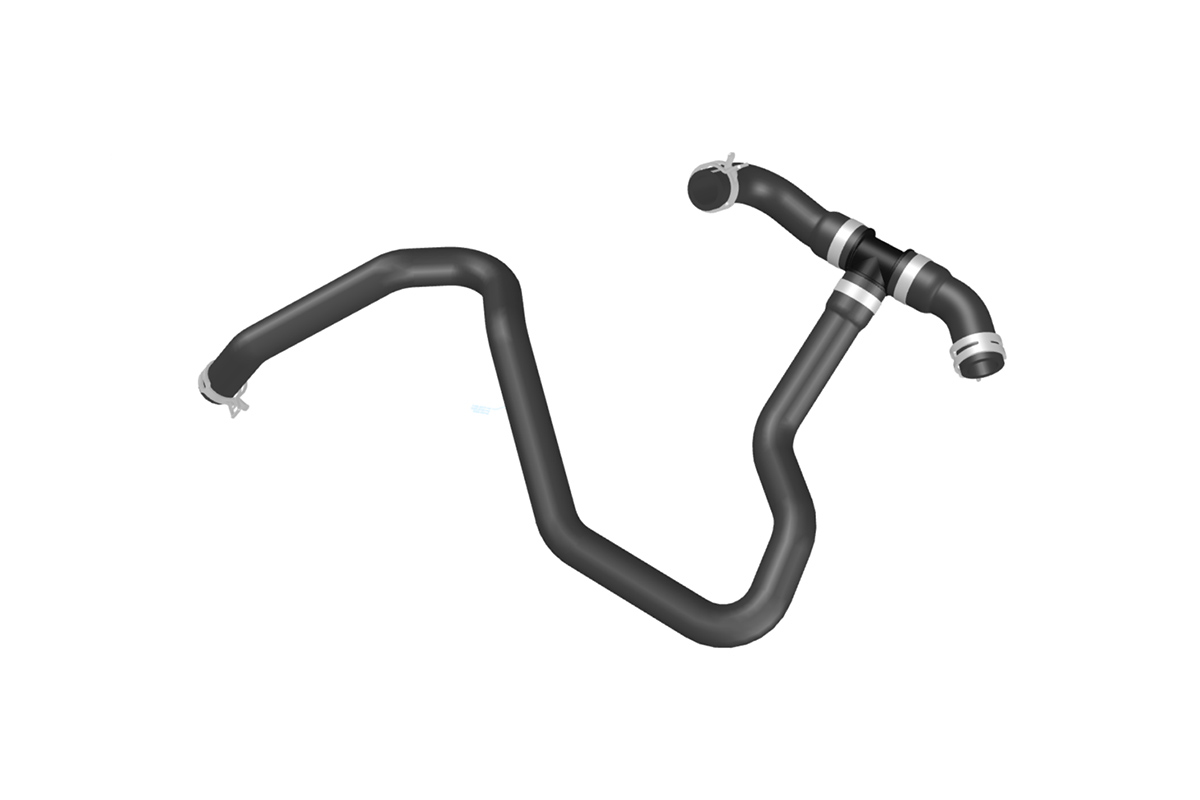
Heating hole: In conventional (fuel fired) automotive systems, the key objective of the thermal system is to transfer waste energy (heat) away from the engine. This energy is used for heating the passenger compartment (heating circuit) or disposed in the radiator (cooling circuit).
For electrical powertrains (BEV and PHEV) the thermal system has the objective to cool down the electric engine, power electronics and the charging system, as well as to heat the passenger compartment. Additionally, there is the need to condition the batteries to the optimum operating temperature, regardless of outside temperatures or driving conditions.
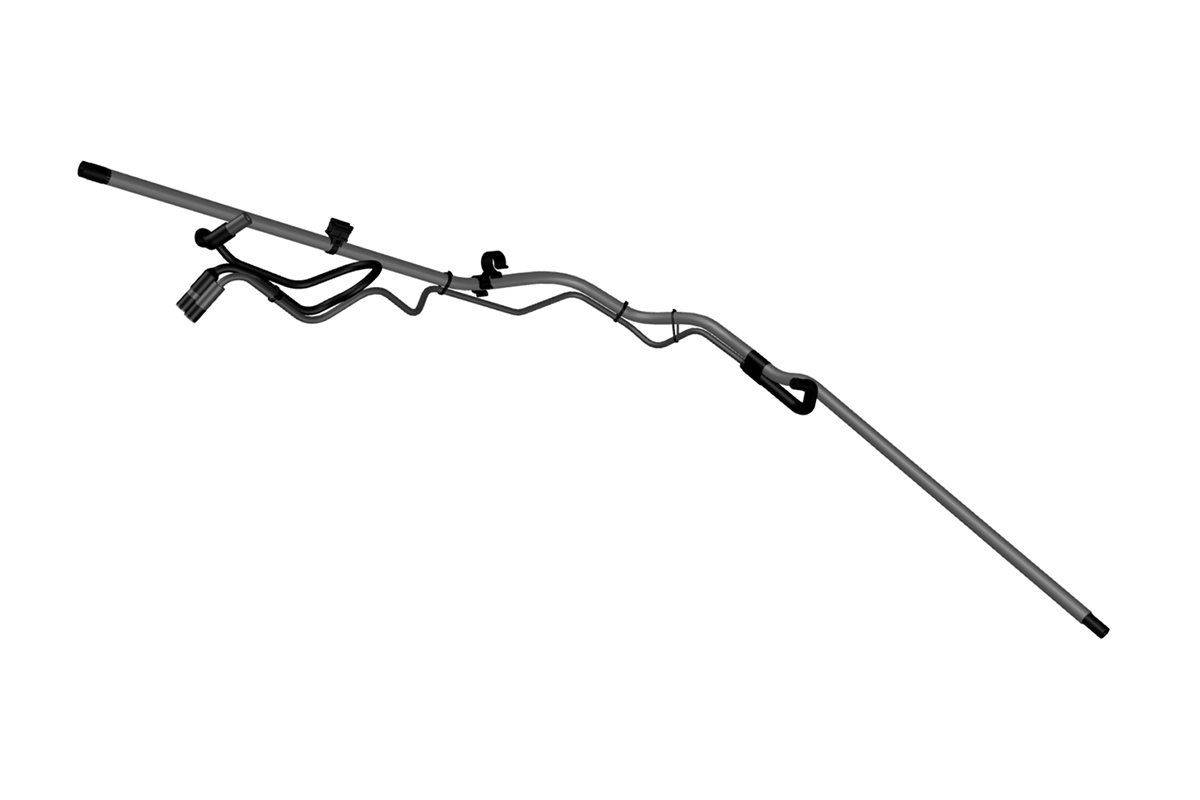
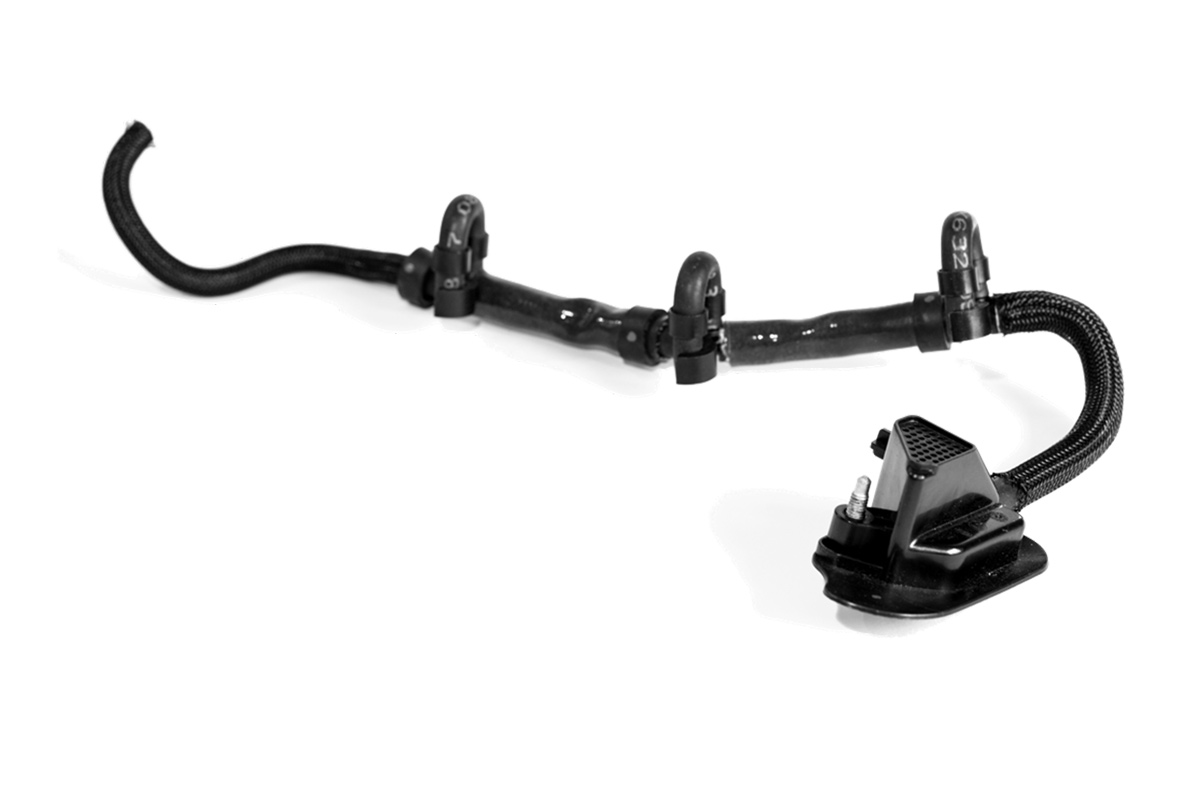
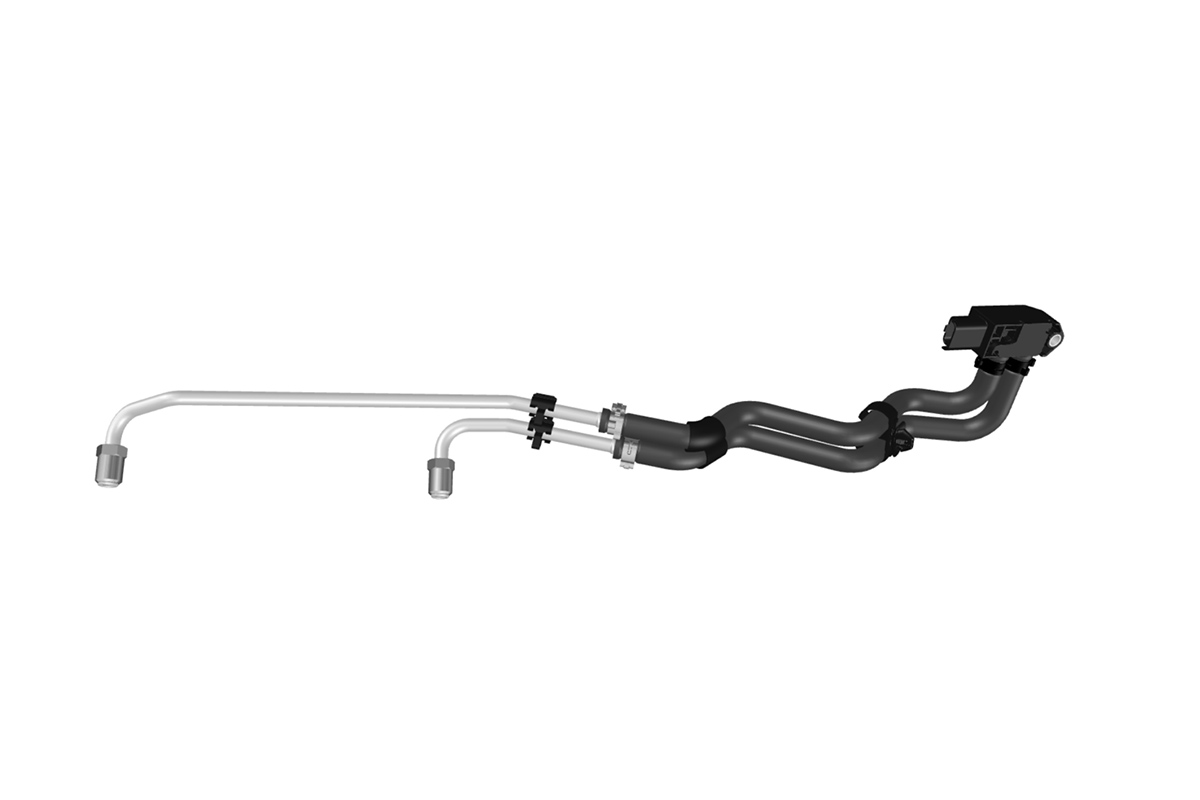
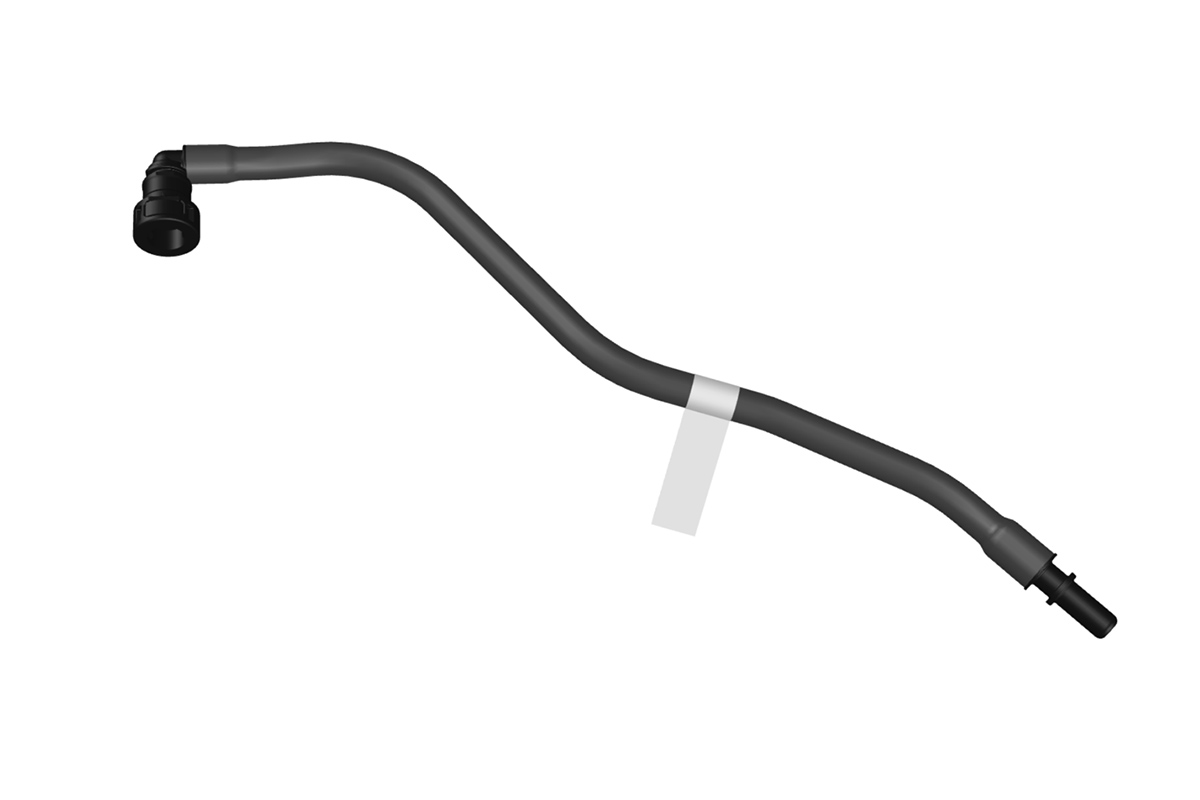
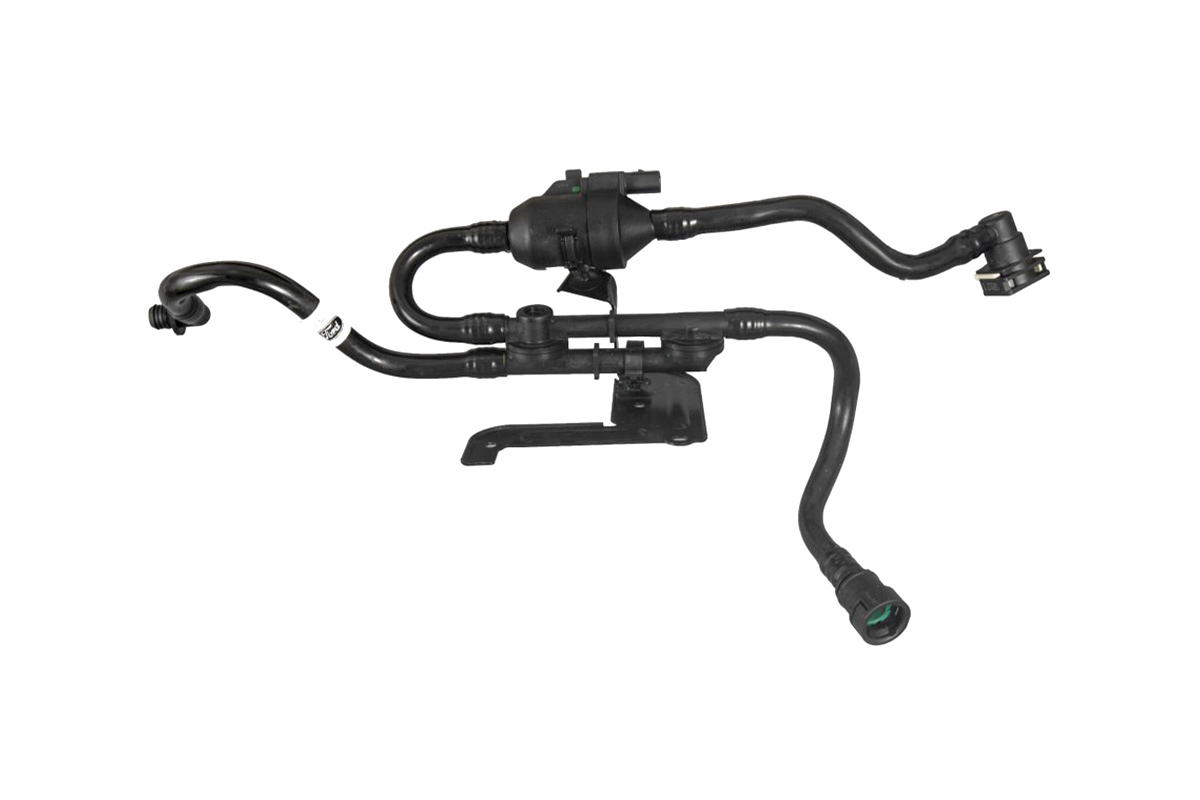
Vacuum & Emission (Air-lines)
Air-lines allow engine breathing, vacuum valve actuation, pressure reduction in crankcase, avoid oil condensation and pressure increase before and after catalyser
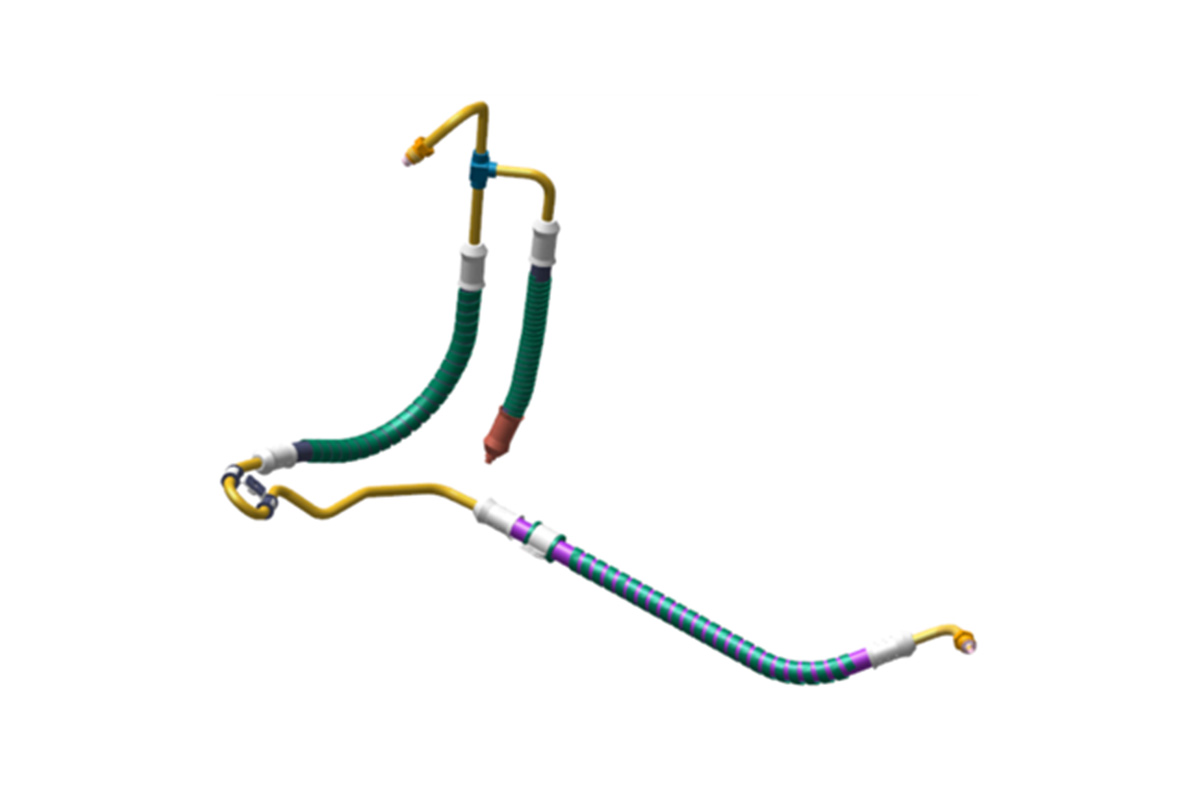
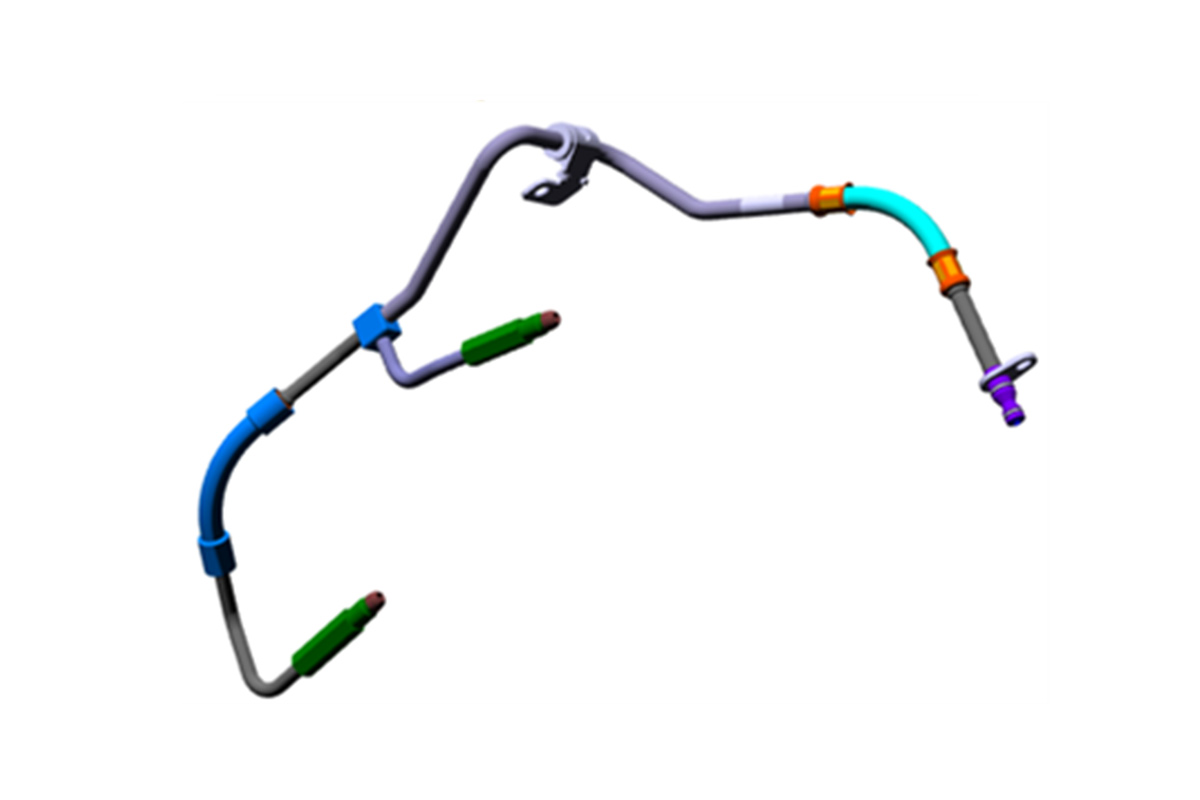
Fluid specialty
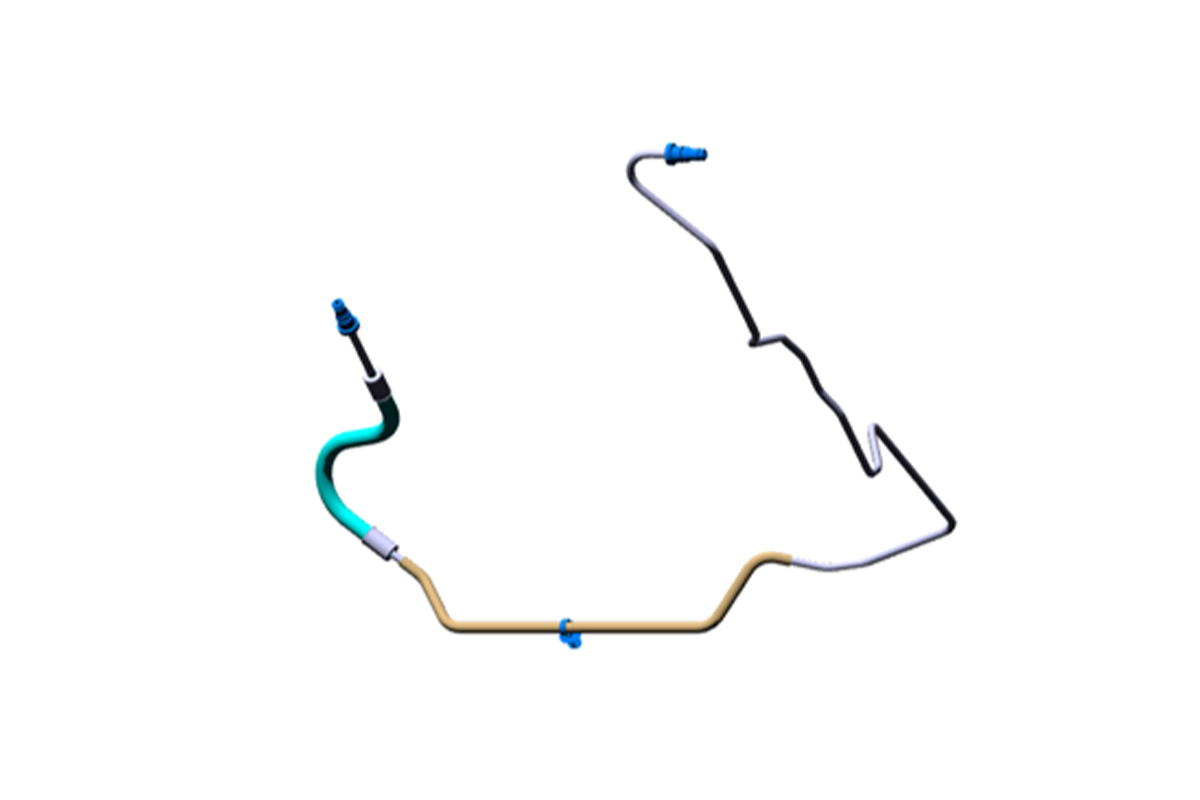
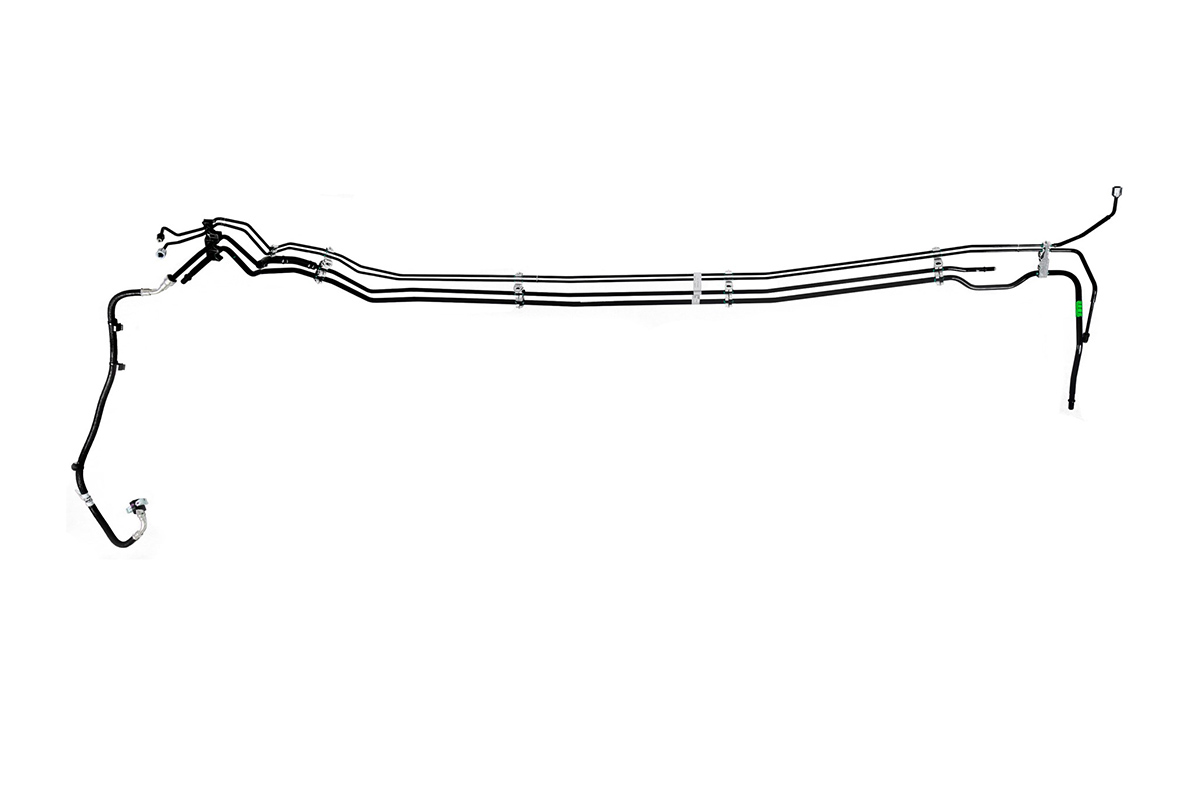
Fluid specialty lines have mainly five functionalities: 1/ allowing the fill of urea tank including venting system, 2/ collect and eliminate water around the sunroof, 3/ deliver fuel from tank to engine, 4/ deliver high pressure braking oil through the hydraulic braking system, 5/ cool the engine and transmission oil through an air-oil exchanger.

Fuel & Brake Delivery System
In our product-portfolio of Fuel & Brake Delivery System we include five product-types, that are produced in our Inidian plants.

Compound
Rubber compound production
The rubber compound production consists of two compound-mixing lines, allowing us to produce 180 different compound recipes.
We transform raw materials (polymers, carbon black, process oils and more) into dense and sponge compounds through the mixing process, which takes place inside our Banbury mixers. We produce many different types of compounds, each one with their specific recipe, studied to obtain satisfying mechanical and aesthetical performances.
These compounds are used for internal sealing production and are also sold to third parties. Our main production (93%) is the EPDM-compound with two different vulcanisation systems: Sulphur and Peroxide. Further polymers are: CR (Polychloroprene), AEM (Ethylene Acrylic VAMAC), NR5NBR (Polyisoprene), SBR (Styrene Butadiene), as well as individually composed customer receipts. The spectrum of the final applications is very wide. In general, it is the design of the final application that defines the kind of elastomer our customer uses. Therefore, we have the skill to “sew” the compound into our customer’s vulcanization process.
If you are interested in compounds, please get in contact with us. Compounds are delivered in carton-boxes for a minimum order-quantity of 200 kg.
Physical properties
| Polyisoprene | Styrene Butadiene | Ethylene Propylene Diene Monomer | Polychloroprene | Acrylonitrile Butadiene | Ethylene Acrylic VAMAC | |
| SPECIFIC GRAVITY | 1,0 to 1,2 | 1,0 to 1,2 | 1,0 to 1,4 | 1,0 to 1,4 | 1,0 to 1,30 | 1,0 to 1,30 |
| HARDNESS, RANGE (ShA) | 40-90 | 40-90 | 40-90 | 40-90 | 40-90 | 50-80 |
| TENSILE STRENGTH | ● | ◑ | ◕ | ◕ | ◕ | ◑ |
| ELONGATION | ◕-● | ◑ | ◑ | ◑ | ◑ | ◑ |
| COMPRESSION SET | ◑ | ◑ | ◑ | ◔ -◑ | ◑ | ◑ |
| HEAT RESISTANCE | ◔ | ◔ -◑ | ◕-● | ◑ | ◔ -◑ | ◕ |
| RESILIENCE OR REBOUND | ● | ◔ -◑ | ◑ | ◑–◕ | ◔ -◑ | ○ |
| ABRASION RESISTANCE | ● | ◑-● | ◑-● | ◑-● | ◑-● | ◔ |
| TEAR RESISTANCE | ● | ◔ -◑ | ◔ -◑ | ◔ -◑ | ◔ -◑ | ◔ |
| CUT GROWTH | ● | ◑ | ◑ | ◑ | ◑ | ◔ –○ |
| FLAME RESISTANCE | ○ | ○ | ◔ | ◕ | ○ | ○ |
| IMPERMEABILITY, GAS | ◔ | ◔ | ◔-◑ | ◔ -◑ | ◑ | ◑ |
| WEATHERING RESISTANCE | ○-◔ | ◔-◑ | ● | ◕-◑ | F-◑ | ◕ |
| LOW TEMPERATURE LIMIT (°C) | -40 | -40 | -45 | -40 | -40 | -40 |
| HIGH TEMPERATURE LIMIT (°C) | +80 | +80 | +135 | +100 | +110 | +175 |
| CHEMICAL RESISTANCE PROPERTIES | ||||||
| ACID | ◔ -◑ | ◔ -◑ | ◑ | ◑ | ◑ | ◑ |
| ALKALI | ◔ | ◔ | ◕ | ● | ◕ | ◑ |
| ALIPHATIC HYDROCARBON SOLVENTS | ○ | ○ | ○ | ◑ | ● | ○ |
| AROMATIC HYDROCARBON SOLVENTS | ○ | ○ | ○ | ○-◔ | ◔ -◑ | ○ |
| OIL & GASOLINE | ○ | ○ | ○ | ◔-◑ | ◑-● | ◔ –◯ |
KEY:
○ poor
◔ Fair
◑ Good
◕ Very good
● Excellent
Solutions
Flexible tailored to your needs


